

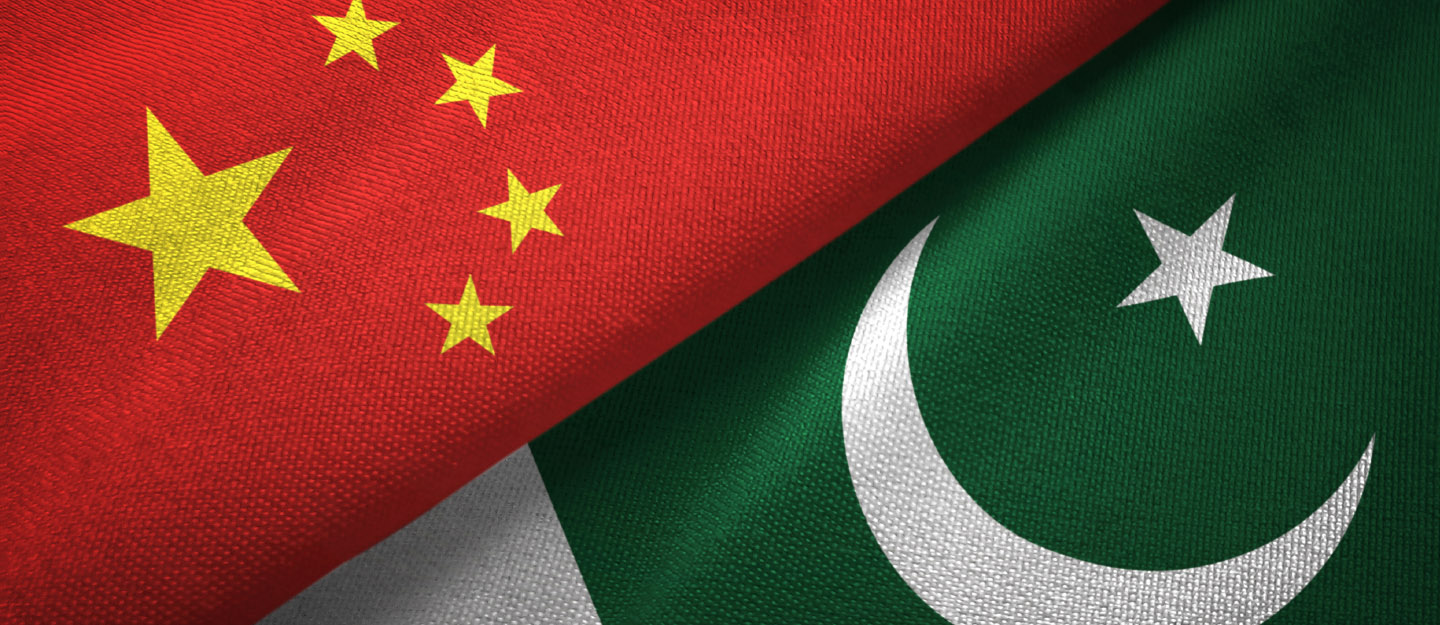
BEIJING: Pakistan and China have reaffirmed their commitment to deepening bilateral cooperation and strengthening their “all-weather strategic partnership” following the conclusion of the Prime Minister of Pakistan’s official visit to China.
In a joint statement issued at the end of the visit, both countries agreed to expand cooperation in defence, security, and counter-terrorism, while announcing the establishment of a “China-Pakistan Security Partnership” aimed at promoting regional peace and stability.
China reiterated its unwavering support for Pakistan’s sovereignty, security, and territorial integrity. The two sides also agreed to accelerate work on CPEC 2.0, with a focus on transforming Gwadar into a regional connectivity hub and further improving the Khunjerab Corridor.
The joint communiqué highlighted growing cooperation in artificial intelligence, the digital economy, advanced technology, and space collaboration. It also revealed that Pakistani astronauts will receive training in China, with the possibility of a Pakistani astronaut participating in China’s space station programme in the future.
Pakistan and China agreed to enhance collaboration in minerals, energy, industrial parks, and agriculture. China further reaffirmed its commitment to provide 3,000 training opportunities for Pakistan from 2025 to 2029.
Beijing appreciated Pakistan’s economic recovery efforts and praised the “Uraan Pakistan” programme for promoting sustainable economic growth.
The statement emphasized the importance of peace and stability in South Asia and called for resolving all disputes through dialogue. China once again described Kashmir as a historical dispute and reiterated support for its resolution in accordance with United Nations resolutions.
China also appreciated Pakistan’s role at the United Nations Security Council and acknowledged its efforts in promoting multilateral diplomacy. Beijing further praised Pakistan’s role in facilitating the Iran-US ceasefire and appreciated the “Islamabad Talks” initiative.
Both countries agreed to continue working together for peace and stability in the Middle East. Progress in trilateral cooperation among China, Pakistan, and Afghanistan was also noted, with both sides reaffirming their opposition to militant groups including TTP and ETIM.
The joint statement strongly opposed double standards in counter-terrorism efforts and called for enhanced global cooperation against terrorism. Pakistan and China also reaffirmed their support for a multipolar world order and opposition to unilateral actions in international affairs.
Pakistan reiterated its firm support for the One-China Policy and reaffirmed that Taiwan is an integral part of China.
Experts say the latest joint statement reflects the transformation of Pakistan-China ties into a modern, future-oriented partnership focused on technology, connectivity, economic development, and regional stability.
