


By Khawaja Hamza
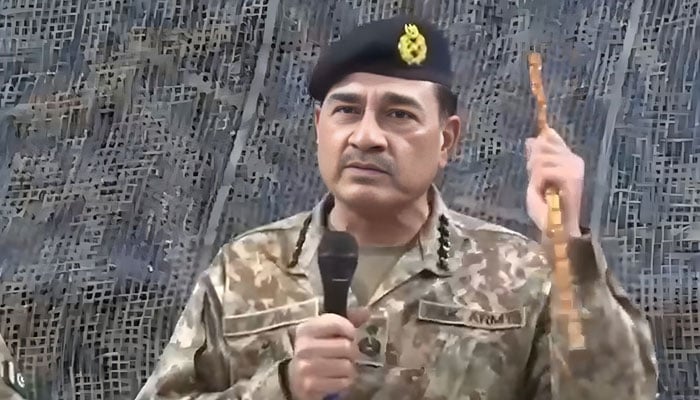
In the early hours of a tense morning in Islamabad, the city moved quietly—yet beneath the surface, something profound had already changed. Power in Pakistan, as many would later say, had begun to concentrate in a way not seen in decades. At the center of it all stood General Syed Asim Munir.
His journey had not been sudden. It had been built step by step—through intelligence corridors, command rooms, and moments of quiet but decisive influence. Before the public truly knew his name, he had already shaped critical parts of Pakistan’s security structure, having served in key intelligence roles, including Military Intelligence and the ISI. Those years taught him something essential: in Pakistan, power is rarely only about titles—it is about control of systems, information, and timing.
When he became Chief of Army Staff, the public saw a disciplined, reserved leader. But behind that restraint, observers say, was a strategic mind focused on consolidation. Over time, his influence expanded—not only within the army but across the broader architecture of the state.
Then came 2025, The year began with rising tensions in the region, and by May, a conflict between Pakistan and India erupted. It lasted only days, but its consequences would echo far beyond the battlefield. In the aftermath, Munir’s position was elevated dramatically.
He was promoted to Field Marshal—a rank rarely awarded in Pakistan’s history. Not long after, a new structure emerged:
The role of Chief of Defence Forces (CDF), placing all three branches of the military under a single command.
To supporters, this was not centralization—it was clarity. A unified command meant efficiency, strength, and coordination at a time when Pakistan faced internal and external challenges. To critics, however, it marked a turning point—a moment when the balance between civilian and military authority tilted further than ever before.
Inside Pakistan, politics began to shift in subtle and not-so-subtle ways.
Former Prime Minister Imran Khan, once a powerful civilian leader, became the face of opposition—his criticism of the military growing sharper from behind bars. His party, PTI, continued to mobilize supporters, even as crackdowns and legal battles reshaped the political landscape. For some, Khan represented resistance. For others, he represented instability. But one thing was clear:
Pakistan’s political environment had become deeply polarized.
At the same time, Munir’s role expanded beyond traditional military boundaries.
Through initiatives like the Special Investment Facilitation Council (SIFC), he became linked to economic decision-making. Efforts to attract foreign investment intensified. Measures were taken against smuggling and black-market activity. Supporters pointed to a more controlled currency environment and improved economic discipline. Critics, however, saw something different—a military footprint extending into spaces traditionally governed by civilian institutions.
Yet perhaps the most striking transformation was not within Pakistan—but in how Pakistan was seen outside it.
Munir’s diplomacy surprised many observers.
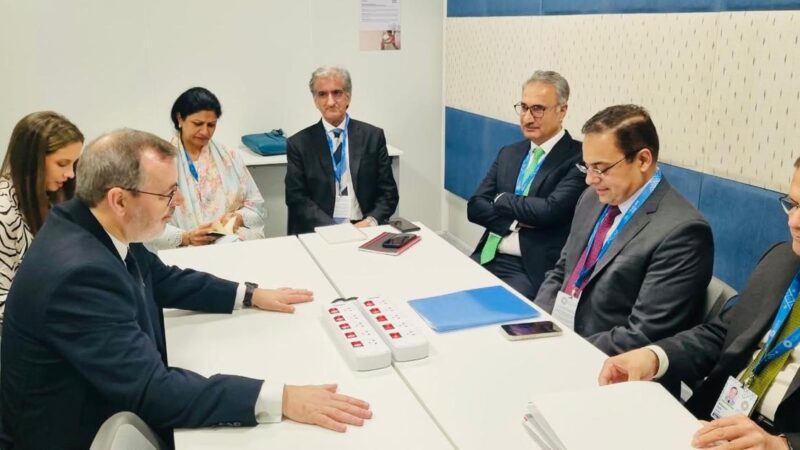
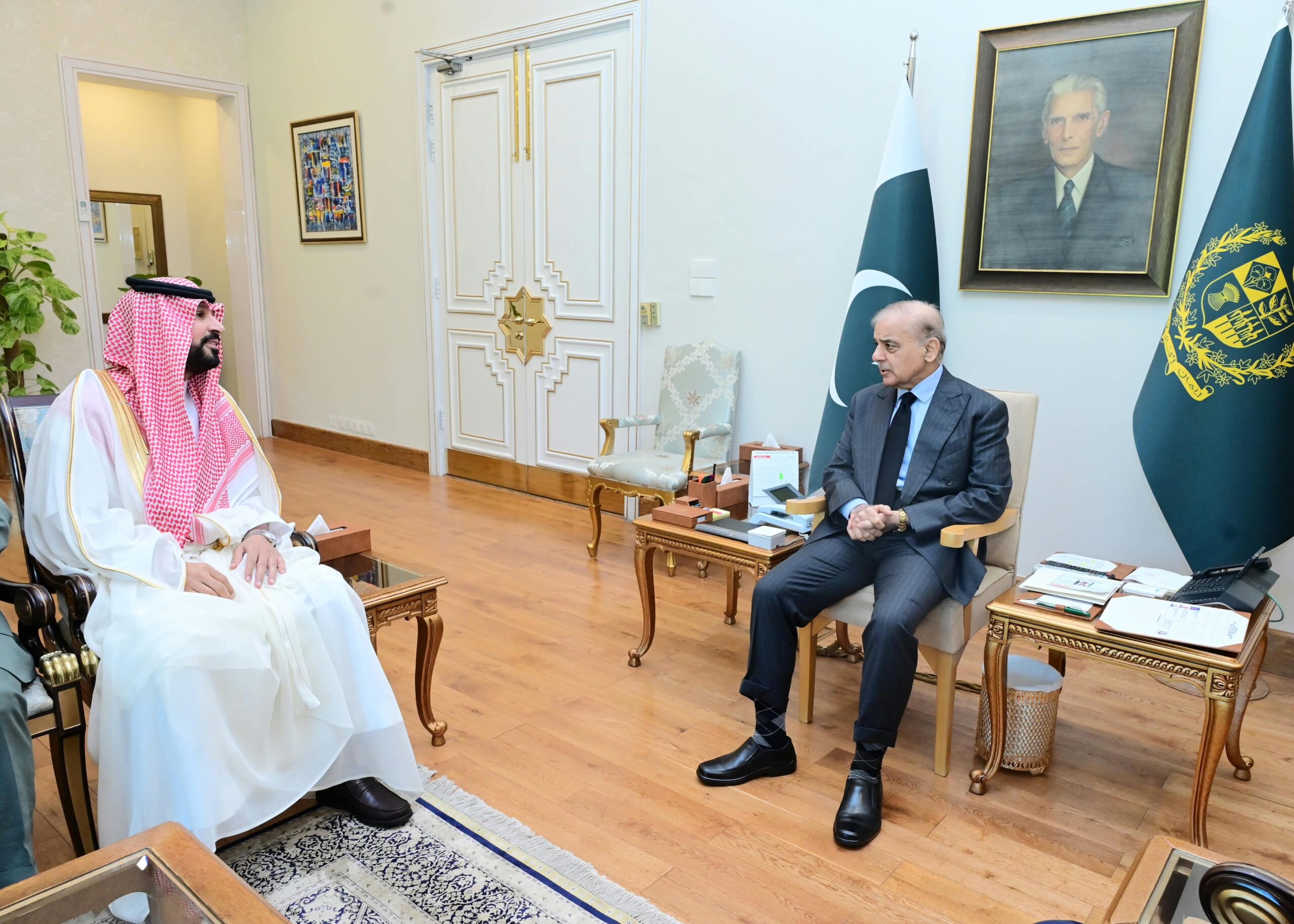
Meetings with global leaders, engagement with Middle Eastern powers, and renewed ties with the United States gave Pakistan a higher profile on the international stage. In Washington, he was no longer just a military figure—he was a strategic partner. In diplomatic circles, he began to be described as a “soldier-diplomat.”
His interactions with global leaders, including high-profile engagements with U.S. President Donald Trump, became symbolic moments. At times, he was publicly praised as a key figure in regional stability. At others, he was seen as the architect of Pakistan’s renewed geopolitical relevance.
Behind these developments lay a broader strategy:
Positioning Pakistan as a bridge between competing global powers—China and the United States, the Middle East and South Asia, Iran and the West. In this balancing act, Munir’s influence became both tactical and symbolic.
But every rise casts a shadow.
Within Pakistan, concerns grew louder. Critics argued that the expansion of military authority—especially following the reported constitutional changes—risked weakening democratic institutions. The 27th Amendment, as discussed in various reports, became a focal point of debate. To some, it represented necessary reform. To others, it signaled a dangerous precedent: a system where power could be concentrated, extended, and protected from scrutiny.
The tension between civilian and military authority—long a defining feature of Pakistan’s political history—was once again at the center of national conversation.
Meanwhile, the streets told their own story.
Protests, arrests, political rallies, and public debates reflected a society struggling to define its direction. In some regions, security operations intensified. In others, economic challenges weighed heavily on everyday life. Yet through it all, Pakistan remained in motion—its institutions adapting, resisting, and evolving simultaneously.
For Munir, the challenge was not just power—it was balance.
Balance between control and flexibility. Between security and openness. Between national strength and institutional integrity. Between domestic stability and international expectations.
By 2026, his name had become inseparable from Pakistan’s trajectory. Some viewed him as the stabilizer of a fragile system—a leader who brought discipline, clarity, and global attention.Others saw him as the symbol of a system where power had become increasingly concentrated.
But history rarely speaks in absolutes.
It records moments. Decisions. Turning points.
And in this chapter of Pakistan’s story, Asim Munir stands at the center—not as a final answer, but as a defining question.
A question about the future of governance.
About the limits of power.
And about the direction a nation chooses when its path stands at a crossroads.
Writer is an Islamabad-based journalist, offers in-depth analysis on security, political, and foreign affairs, and can be contacted at hamzakhawaja793@gmail.com
