
By Khawaja Hamza, Chief Reporter, Media Today
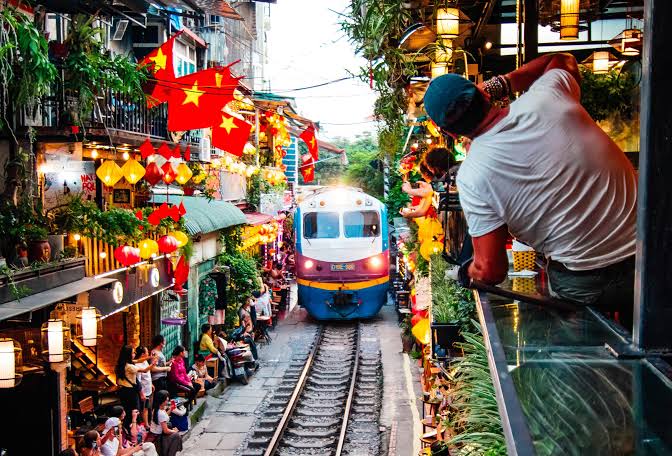
From the vibrant streets of Hanoi to the breathtaking coastline of Quang Ninh, Vietnam offers Pakistan a remarkable story of development, cultural richness, tourism potential and growing opportunities for bilateral cooperation.
A Journey Through Vietnam: Beauty, Progress and a Nation Moving Forward
As a Pakistani journalist visiting Vietnam, my journey through Hanoi and Quang Ninh provided an opportunity to experience a country that is steadily strengthening its international image through development, tourism, cultural preservation and a welcoming approach to visitors. Vietnam is a destination where natural beauty meets modern progress, where traditional values coexist with contemporary lifestyles, and where the spirit of a resilient nation can be seen in its cities, communities and rapidly evolving economy.
For Pakistanis, Vietnam offers much more than a holiday destination. It presents an opportunity to discover a country whose experience of development, commitment to tourism and growing engagement with the world can provide valuable lessons for Pakistan. It also opens a window into the possibilities of stronger relations between two Asian nations with considerable potential to expand cooperation in tourism, trade, investment, education and cultural exchange.
My visit to Hanoi, the country’s capital, and Quang Ninh, a province celebrated for its spectacular coastline and maritime attractions, revealed the diversity of Vietnam’s appeal. From the energy of urban life to the tranquillity of coastal landscapes, the country presents a positive and compelling image to international visitors.
Vietnam’s journey is particularly inspiring because its progress is visible in everyday life. Modern infrastructure, bustling commercial areas, growing hospitality facilities and an increasingly international outlook contribute to an atmosphere of ambition and opportunity. At the same time, its cultural identity remains an essential part of the national experience.
For a journalist travelling from Pakistan, this combination of development, tradition and natural beauty makes Vietnam a country worth exploring in greater depth.
Hanoi: A Capital Where History Meets Modern Development
Hanoi welcomes visitors with a distinctive character. Its historic streets, traditional architecture, vibrant markets, lakes and busy commercial districts reflect a city that has preserved its identity while embracing modern economic and social change.
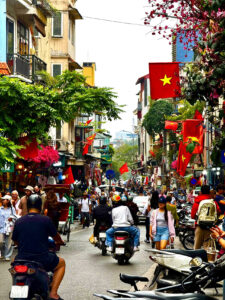
Walking through Hanoi offers a fascinating introduction to Vietnamese society. Traditional shops operate alongside contemporary businesses, cafés attract local residents and international travellers, and public spaces reflect the everyday rhythm of a city that continues to develop. The capital’s cultural attractions and historic neighbourhoods provide a sense of continuity with the past, while modern hotels, restaurants, commercial buildings and transport infrastructure demonstrate the changing face of urban Vietnam.
One of the most impressive aspects of Hanoi is the way its traditional character remains visible amid development. Visitors can experience local customs, Vietnamese cuisine, historical landmarks and community life without losing sight of the country’s modern ambitions.
Vietnam’s economic progress has contributed to its growing visibility in regional and international markets. Manufacturing, services, technology, infrastructure and international trade have become important elements of its development story. The country’s expanding tourism sector also plays a significant role in presenting Vietnam to the world and supporting employment in hospitality, transport, food services and other related industries.
For Pakistan, Hanoi offers useful lessons in how a city can promote its heritage while developing the facilities and services required by modern travellers. Pakistan possesses extraordinary historical sites, architectural treasures, natural landscapes and cultural traditions. Greater investment in visitor facilities, destination management, urban cleanliness, public transport and international tourism promotion could help Pakistani cities unlock more of their potential.
The Vietnamese experience also demonstrates the importance of presenting a consistent national image. Tourism is not built on scenery alone; it depends on infrastructure, visitor services, accessibility, safety, communication and the ability to make travellers feel that their time and money are well spent.
Hanoi’s appeal lies in the overall experience it offers: history, food, shopping, culture and the atmosphere of a living, evolving city.
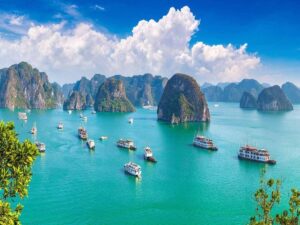
Quang Ninh: Coastal Beauty and the Power of Tourism
If Hanoi represents Vietnam’s urban energy, Quang Ninh showcases the country’s extraordinary natural beauty and the economic possibilities of coastal tourism.
The province is widely associated with Ha Long Bay, a spectacular seascape recognised internationally for its limestone islands, emerald waters and distinctive coastal scenery. For travellers seeking natural beauty, relaxation and memorable experiences, the region offers an entirely different perspective on Vietnam.
The coastline, beaches and maritime attractions create opportunities for swimming, sightseeing, photography, leisure travel and family holidays. The landscape is especially attractive to visitors who want to experience the sea while discovering local culture and regional cuisine.
One of the memorable experiences of my visit was enjoying a cruise ride amid the beautiful coastal scenery. Moving across the water, surrounded by dramatic limestone formations and the calm beauty of the bay, provided a powerful reminder of the value of natural heritage. The experience was not simply about sightseeing; it demonstrated how a country’s natural assets can become an international tourism attraction when supported by organised services, hospitality and thoughtful destination development.
Cruise tourism can generate benefits across a wide network of businesses, including boat operators, hotels, restaurants, guides, transport companies, souvenir sellers and local service providers. It also creates opportunities for employment and encourages investment in the wider visitor economy.
Vietnam’s coastal tourism offers an important lesson for Pakistan. From the beaches of Karachi and Gwadar to the Makran coastline and the natural attractions of Balochistan and Sindh, Pakistan possesses considerable coastal tourism potential. Yet unlocking that potential requires sustained investment in access roads, clean beaches, accommodation, public facilities, environmental protection, safety standards and effective promotion.
Vietnam’s experience suggests that a successful destination needs a complete visitor experience rather than a single attraction. Natural beauty must be complemented by reliable services, trained staff, organised transport, quality accommodation and opportunities to explore local culture.
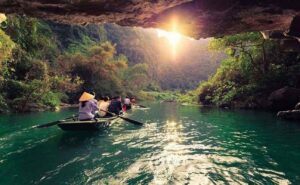
For Pakistan, cooperation with Vietnam’s tourism industry could create opportunities for knowledge-sharing in coastal development, cruise services, hospitality training, tourism marketing and environmentally responsible destination management.
The experience of Quang Ninh also reinforces a broader point: tourism should be treated as a serious economic sector, capable of attracting foreign visitors, generating employment, supporting small businesses and introducing a country to new international audiences.
Tourism, Visa Facilitation, Direct Flights and Trade Opportunities
Vietnam is emerging as an attractive destination for Pakistani tourists, businesspeople, journalists and families, offering beautiful coastal landscapes, rich cultural heritage, modern cities and diverse cuisine. However, visa procedures, travel expenses, connecting flights and uncertainty about documentation can create challenges for visitors. Making official visa information clearer, simplifying application guidance and improving coordination between the relevant authorities could encourage more Pakistanis to visit Vietnam. Travellers should check the latest visa eligibility, documentation requirements and entry conditions through official Vietnamese government channels before making travel arrangements. Greater accessibility would also benefit businesspeople seeking commercial partnerships, investment opportunities and participation in exhibitions and meetings.
Improved air connectivity could further strengthen tourism and business relations between the two countries. Pakistani and Vietnamese travellers generally need to consider connecting itineraries, which can increase journey times, expenses and logistical difficulties. Direct flights between a major Pakistani airports and Hanoi or Ho Chi Minh City could make travel more convenient, provided airlines identify sufficient demand and commercially viable routes. Better connectivity would benefit tourists, students, academics, tour operators and business communities while supporting reciprocal tourism. Both countries could also promote halal-friendly services, joint tourism campaigns, media visits and travel packages to introduce their respective destinations to wider audiences.
Pakistan and Vietnam established diplomatic relations on 8 November 1972 and have continued to explore opportunities for stronger economic cooperation. Bilateral trade increased from approximately US$331 million in 2013 to US$705 million in 2023. In July 2025, the Pakistan–Vietnam Joint Trade Committee met in Hanoi after an eight-year gap, discussing trade facilitation, market access, textiles, fisheries, halal certification, civil aviation, healthcare, banking channels and a proposed preferential trade agreement. Building on this engagement, both countries could expand cooperation in textiles, agriculture, processed foods, pharmaceuticals, footwear, electronics and other commercially promising sectors. My visit to Hanoi and Quang Ninh offered a positive impression of Vietnam’s natural beauty, hospitality, cultural vitality and development. As a Pakistani journalist, I believe that stronger tourism promotion, clearer visa procedures, commercially viable direct flights and sustained business engagement could transform existing goodwill into practical opportunities for tourism, trade, investment and cultural exchange between the two friendly countries.
The writer can be contacted at hamzakhawaja793@gmail.com.
