
By Khawaja Hamza
ISLAMABAD, Pakistan and Belarus on Wednesday agreed to further deepen bilateral cooperation in agriculture, food security, trade, investment, technology, labour, infrastructure, health and education, with both sides emphasizing the need to transform longstanding friendship and goodwill into concrete, commercially viable and mutually beneficial outcomes.
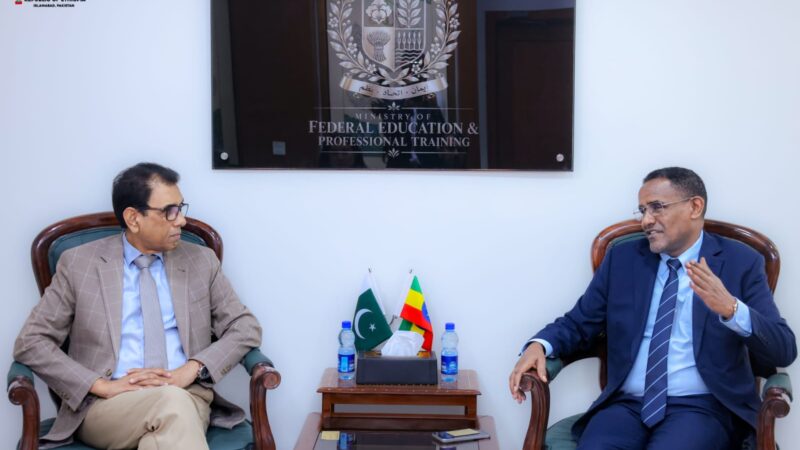
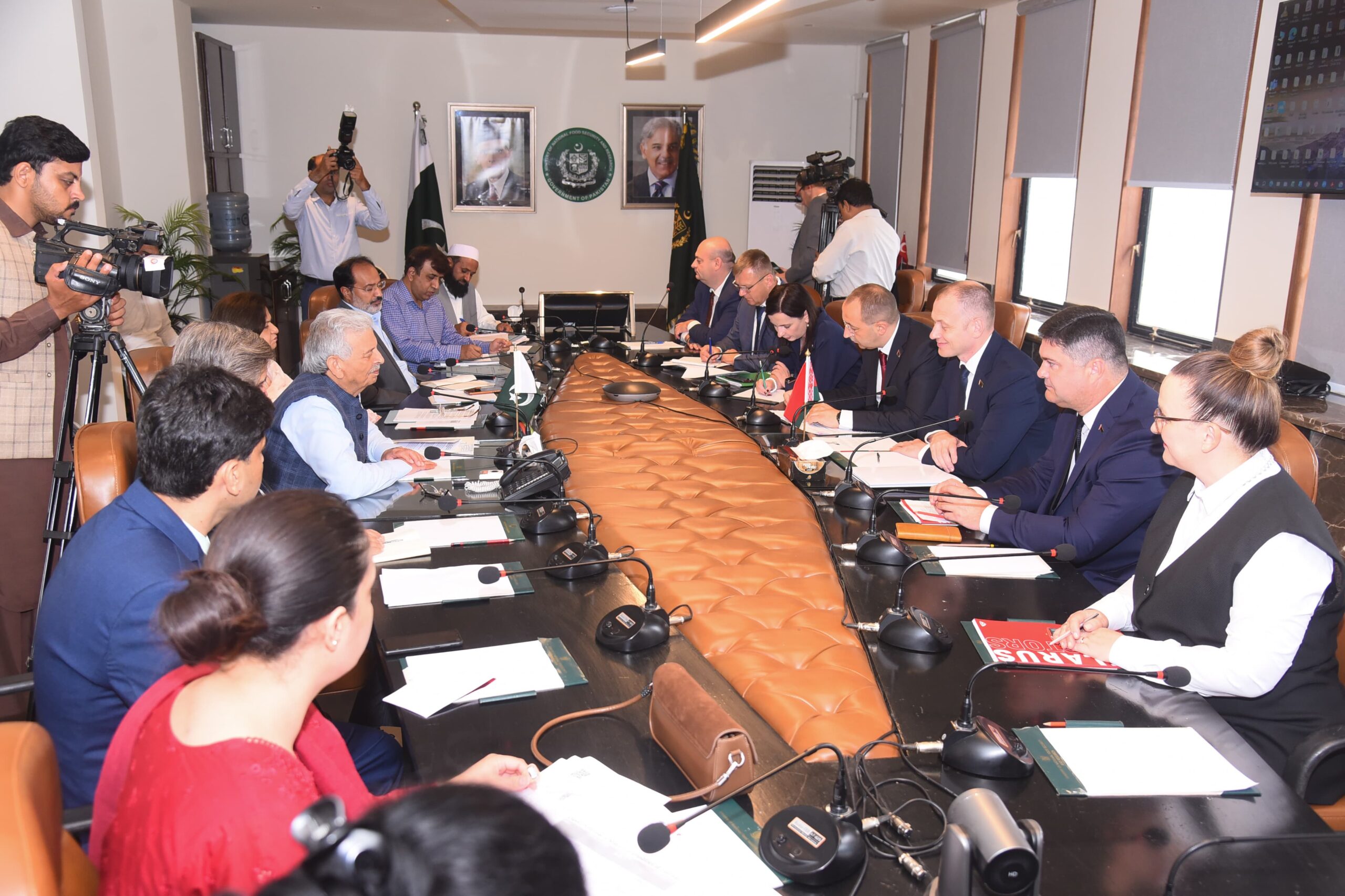
The understanding was reached during high-level engagements in Islamabad, including a meeting between Federal Minister for National Food Security and Research Rana Tanveer Hussain and Belarusian Deputy Minister of Agriculture and Food Yakovchits Aleksander, as well as the 9th Pakistan-Belarus Joint Ministerial Commission (JMC) co-chaired by Federal Minister for Commerce Jam Kamal Khan and Belarusian Minister for Energy Dzyanis Maroz.
During the agriculture meeting, both sides agreed to encourage greater participation of enterprises and relevant stakeholders in food exhibitions and agricultural trade fairs in both countries. The initiative will enable businesses to showcase products, establish partnerships and expand bilateral agricultural trade.
Pakistan and Belarus also agreed to facilitate online business-to-business (B2B) sessions covering seafood, citrus fruits, mangoes, fruit puree, vegetables including potatoes, seeds and dairy products. Reciprocal visits of agriculture-sector trade and business delegations will also be facilitated to promote investment opportunities, partnerships and exchange of expertise.
The two sides agreed to strengthen cooperation in fish farming and aquaculture, including exchange of knowledge, technology and best practices to support modern aquaculture and create new opportunities in the fisheries sector.
Both countries welcomed enhanced cooperation in seed trade and agreed to facilitate reciprocal exports of seeds, strengthening agricultural trade and providing access to quality seed varieties.
Pakistan proposed establishing a universal agricultural machinery testing facility or centre at the Pakistan Agricultural Research Council (PARC) with financial and technical support from Belarus. The Belarusian side took note of the proposal.
It was agreed that a detailed assessment would be undertaken, including preparation of a list of required equipment and evaluation of proposed sites for machinery testing stations. Both sides also agreed to facilitate exchange visits by highly qualified technical experts by the end of 2026.
Pakistan and Belarus further agreed to explore capacity-building cooperation between their plant quarantine organizations to strengthen phytosanitary systems, prevent the introduction and spread of quarantine pests, safeguard agricultural production, improve phytosanitary standards and facilitate safe international trade in agricultural commodities.
Rana Tanveer Hussain stressed the importance of translating bilateral cooperation into concrete commercial, technological and institutional outcomes, saying Pakistan was keen to expand engagement with Belarus in emerging areas of agriculture and food security while creating greater opportunities for businesses, farmers, investors and technical experts.
Addressing the 9th Pakistan-Belarus JMC, Jam Kamal Khan described the commission as a key pillar of bilateral relations and an effective platform for setting priorities, reviewing progress and providing strategic direction to cooperation.
He said Pakistan-Belarus relations were based on mutual trust, respect, equality and a shared commitment to prosperity, adding that the changing global economic environment required both countries to turn their partnership into practical and productive cooperation.
Jam Kamal emphasized that the benefits of bilateral cooperation should reach business communities, skilled workers and people of both countries. He said joint working groups would play an important role in maintaining regular contacts and ensuring continued progress in trade.
The commerce minister highlighted labour and human resources as an increasingly important component of bilateral cooperation and said collaboration would be expanded to facilitate greater mobility of skilled manpower between the two countries.
He identified agriculture and food security as major pillars of cooperation, particularly in agricultural technology, seeds, productivity and food security, while also stressing the importance of cooperation in transport and infrastructure to increase bilateral trade and productive capacity.
Belarusian Minister for Energy Dzyanis Maroz said the 9th JMC would provide an important foundation for advancing high-level contacts between Pakistan and Belarus. He noted that friendly relations between the leaderships and high-level visits had played an important role in strengthening bilateral ties.
Maroz described the JMC as the central platform for advancing bilateral cooperation and highlighted the work of expert-level working groups and regular meetings in agriculture, health, education and other sectors, saying sustained engagement had produced tangible results.
He said progress in labour and human resources reflected coordinated efforts by both countries and expressed confidence that enhanced agricultural cooperation would also deliver positive and practical outcomes.
The JMC agenda was unanimously approved, delegations from both countries were introduced, and the signing process for bilateral agreements and related documents was underway.
The latest engagements reflect a broadening Pakistan-Belarus partnership, with both countries seeking to build stronger trade, investment, agricultural, technological, labour and institutional linkages and create practical opportunities for businesses, farmers, investors, skilled workers and technical experts.
Both sides expressed satisfaction over growing bilateral cooperation and reaffirmed their commitment to mutually beneficial partnerships in agriculture, food security, aquaculture, seed trade, agricultural machinery, phytosanitary cooperation, trade, investment, labour, transport, infrastructure, health and education, giving greater practical momentum to Pakistan-Belarus relations.
