
By Khawaja Hamza
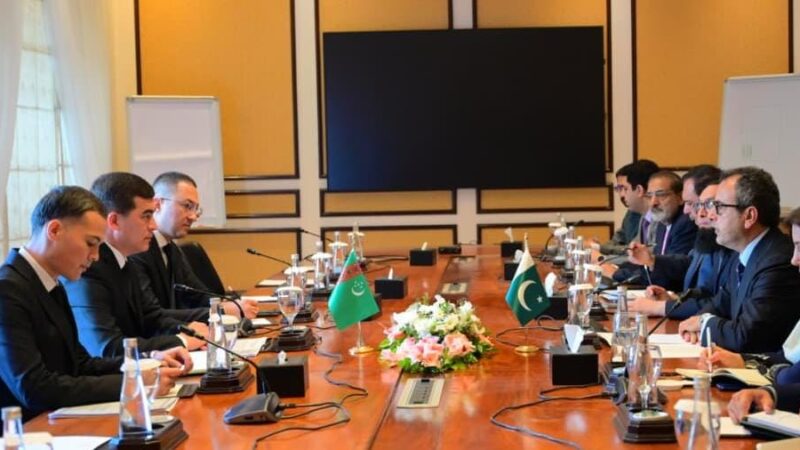
Islamabad, Pakistan and Turkmenistan have agreed to strengthen bilateral relations, expand trade and investment, and enhance regional connectivity during high-level meetings in Islamabad ahead of the sixth session of the Pakistan–Turkmenistan Joint Intergovernmental Commission.
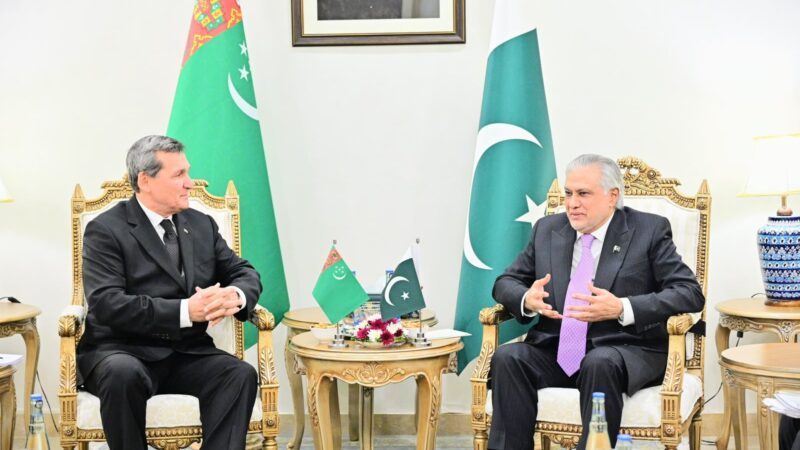
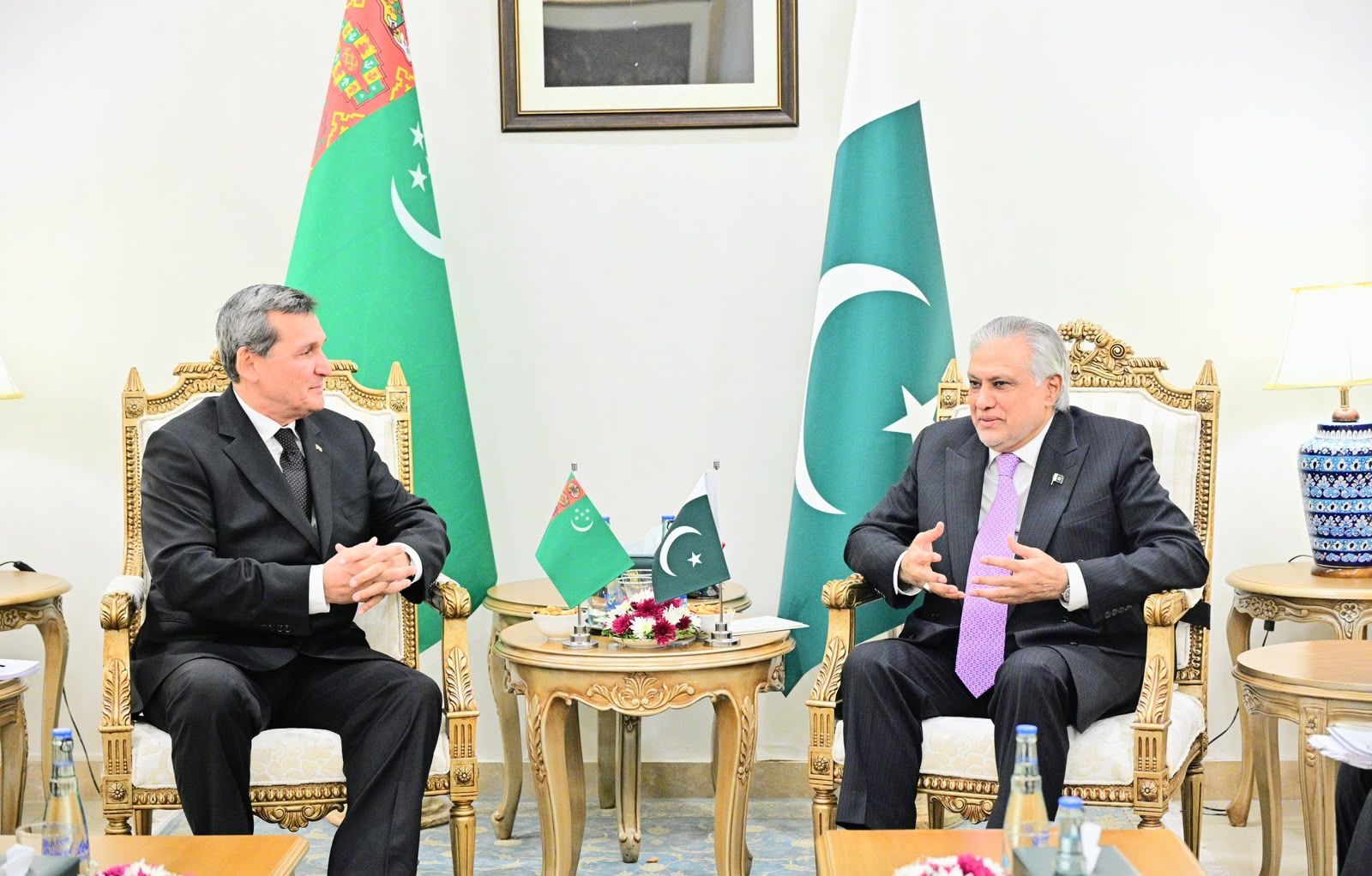
Deputy Prime Minister and Foreign Minister Senator Mohammad Ishaq Dar held a meeting with Turkmenistan’s Deputy Chairman of the Cabinet of Ministers and Foreign Minister, Rashid Meredov, at the Ministry of Foreign Affairs.
The two ministers reviewed the longstanding and brotherly relations between the two countries and discussed ways to enhance cooperation in trade, investment, energy, regional connectivity and people-to-people exchanges.
They also exchanged views on regional developments, with Ishaq Dar emphasizing that dialogue and diplomacy remained the only viable means of resolving outstanding issues and achieving lasting peace and stability in the region. Meredov appreciated Pakistan’s constructive role and continued diplomatic efforts to promote regional peace and stability.
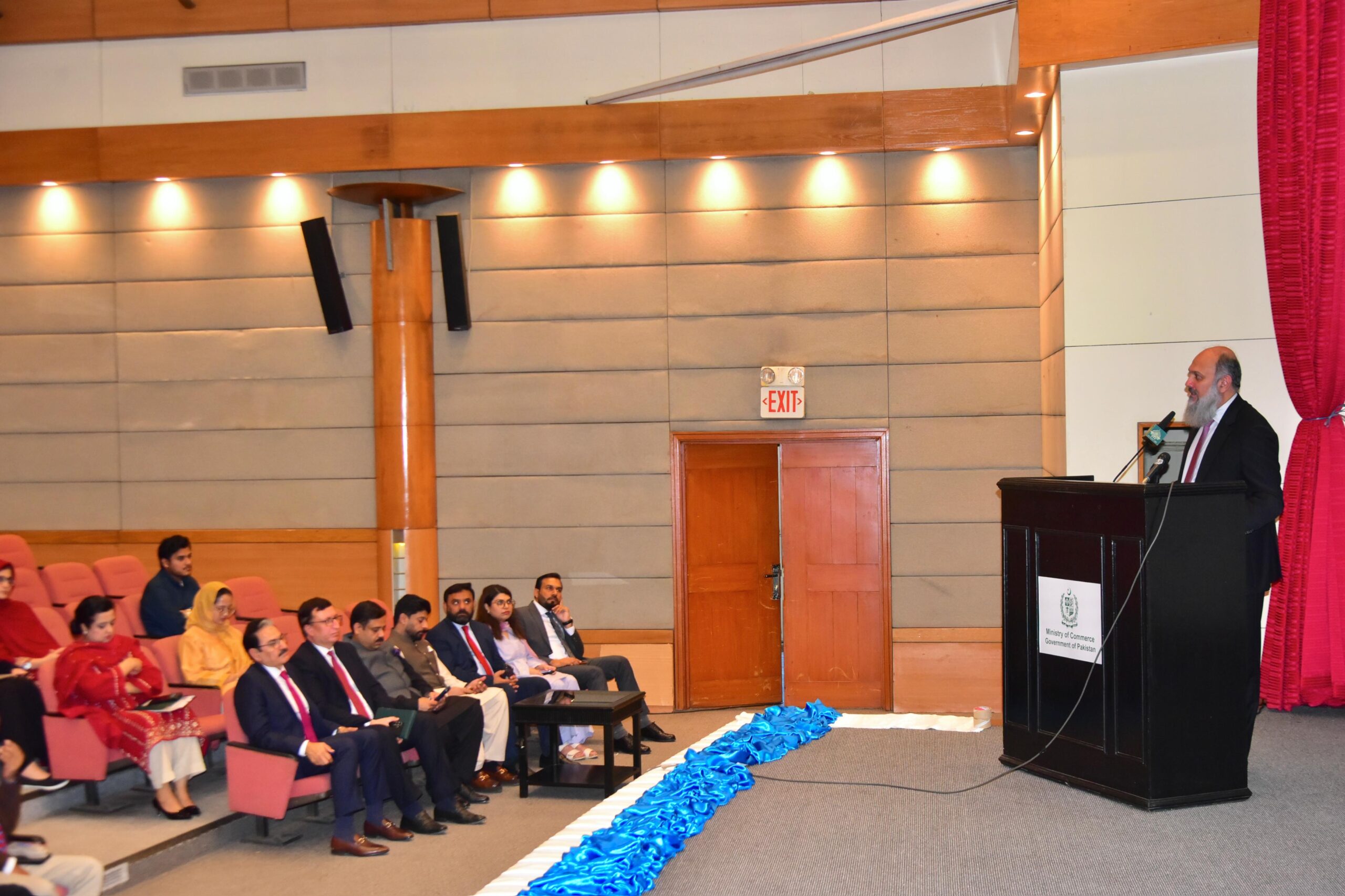
Separately, Federal Minister for Commerce Jam Kamal Khan held a bilateral meeting with Turkmenistan’s Minister of Trade and Foreign Economic Relations, Dortguly Suleymanov, to discuss expanding bilateral commerce, improving market access, strengthening regional trade corridors and promoting business cooperation.
During the meeting, Jam Kamal Khan highlighted opportunities for cooperation in textiles, agriculture, food processing, manufacturing and logistics. He stressed the importance of translating strong political relations into practical commercial partnerships and identifying new investment opportunities.
The commerce minister proposed exploring direct flights between Islamabad and Ashgabat, as well as chartered cargo services to facilitate the transportation of perishable agricultural and food products. The Turkmen minister acknowledged the importance of improved air connectivity and said the proposal could be discussed further with relevant aviation authorities.
The two sides also discussed expanding overland connectivity through Pakistan’s National Logistics Corporation (NLC), facilitating cross-border transportation, exploring alternative trade corridors and addressing logistical challenges affecting bilateral commerce. The possibility of alternative routes for Pakistani marble and other exports to Central Asian markets was also discussed.
Jam Kamal Khan emphasized the need to facilitate business visas to encourage the movement of traders and investors and strengthen economic cooperation.
During the meeting, Dortguly Suleymanov expressed concern over the recent decline in bilateral trade, revealing that trade turnover between the two countries exceeded $36 million in 2025, registering a decline of nearly 23 percent compared with 2024.
He said bilateral trade during the first nine months of 2026 stood at approximately $15 million, down 56 percent compared with the corresponding period last year. The decline was primarily attributed to reduced textile exports.
The Turkmen minister expressed interest in restoring traditional trade volumes and diversifying exports to Pakistan. He also proposed exchanging updated lists of exportable products and import requirements and strengthening coordination between relevant institutions.
Both sides agreed to nominate focal persons to ensure regular coordination and follow-up on trade-related matters.
The Pakistani commerce minister also briefed his counterpart on Pakistan’s five-year tariff rationalization programme, explaining that progressive reductions in customs duties would create additional opportunities for international businesses. He highlighted the newly developed online trade information portal of the Ministry of Commerce, which provides information on preferential trade agreements and tariff schedules.
The two sides further discussed strengthening direct engagement between chambers of commerce, industrial associations and business communities, as well as increasing Turkmenistan’s participation in Pakistan’s international exhibitions, particularly in the food, agriculture and textile sectors.
Both countries expressed optimism that the sixth session of the Pakistan–Turkmenistan Joint Intergovernmental Commission would help advance practical cooperation in trade facilitation, transportation, market access, investment and private-sector engagement.
The two sides reaffirmed their commitment to strengthening economic relations, improving regional connectivity and promoting sustainable growth in bilateral trade.
