
By Khawaja Hamza
Islamabad, Pakistan and Bangladesh have expressed their commitment to strengthening bilateral relations through enhanced trade, investment, institutional engagement and people-to-people contacts, with Federal Minister for Commerce Jam Kamal Khan and Speaker National Assembly Sardar Ayaz Sadiq separately highlighting opportunities for broader economic and parliamentary cooperation between the two countries.
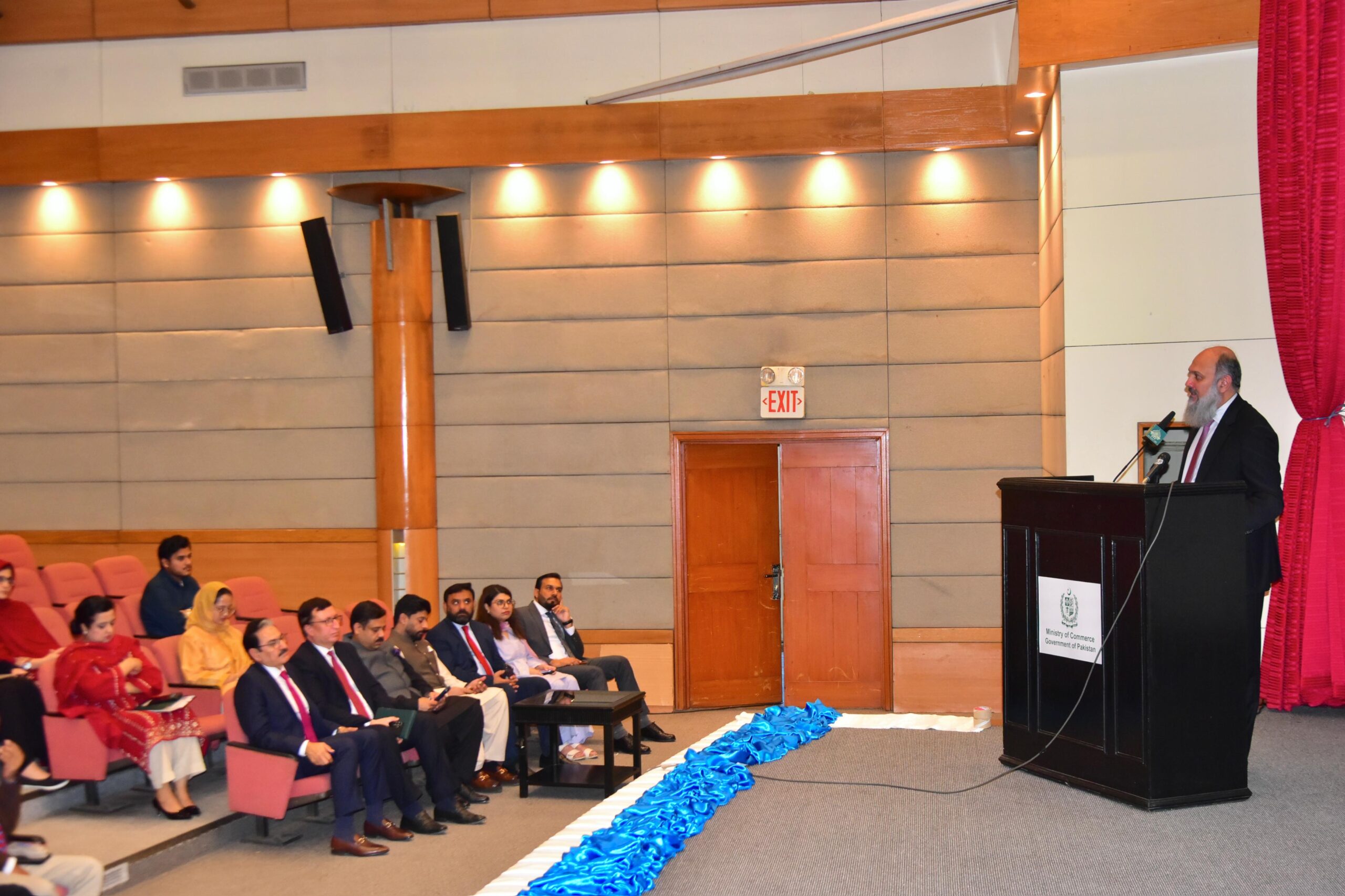
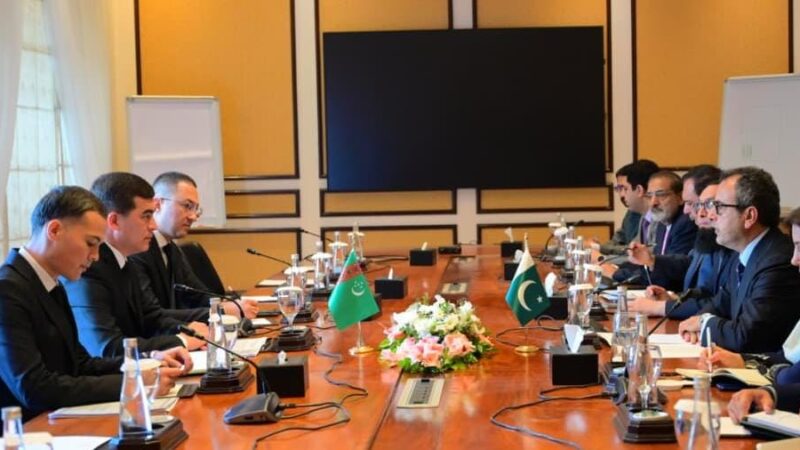
Federal Minister for Commerce Jam Kamal Khan called for stronger Pakistan-Bangladesh economic relations through increased bilateral trade, joint ventures, investment cooperation and institutional engagement, emphasizing the importance of strategic partnerships in addressing emerging global economic challenges.
He expressed these views while addressing senior Bangladeshi civil servants participating in an Executive Leadership Training Programme in Islamabad, which was also attended by senior Pakistani bureaucrats and government officials. Discussions focused on trade policy, economic reforms and bilateral cooperation.
Recalling his recent visit to Bangladesh, the minister appreciated the country’s industrial development, particularly in manufacturing, ship recycling and maritime industries. He identified potential areas of cooperation in port development, logistics, industrial management and technology transfer.
Jam Kamal Khan observed that rising energy costs, geopolitical tensions, tariff uncertainties and global supply-chain disruptions had increased economic vulnerabilities, particularly for developing countries. He stressed the importance of economic diversification, technological advancement and stronger regional partnerships to address these challenges.
Highlighting the growing importance of artificial intelligence and emerging technologies, he urged policymakers to adopt forward-looking strategies to enhance competitiveness and benefit from new economic opportunities.
The minister said Pakistan and Bangladesh could complement each other’s industrial strengths and jointly explore emerging markets, particularly in Africa. While acknowledging competition in sectors such as textiles, he emphasized the considerable potential for cooperation in manufacturing, agriculture, logistics and value-added industries.
During the interactive session, Bangladeshi participants raised several issues, including tariff and non-tariff barriers, pharmaceutical certification, banking arrangements, export competitiveness, anti-dumping measures and investment facilitation.
The possibility of a Preferential Trade Agreement (PTA), Free Trade Agreement (FTA) or another mutually beneficial trade arrangement was also discussed. The minister highlighted the role of the existing Joint Working Group on Trade and stressed the importance of feasibility studies to identify potential sectors and products for expanding bilateral commerce.
Briefing the participants on Pakistan’s trade reforms, Jam Kamal Khan outlined the government’s five-year tariff rationalization framework, which aims to reduce customs duties, lower production costs, improve industrial competitiveness and attract investment.
He also highlighted initiatives to strengthen small and medium enterprises, modernize agriculture, enhance technical skills and improve compliance with international standards.
Emphasizing the importance of closer people-to-people, business-to-business and government-to-government engagement, the minister called for reciprocal visits by officials, technical experts and business delegations. Appreciating the visiting Bangladeshi delegation and participating Pakistani officials, he expressed hope that the engagement would pave the way for sustained institutional exchanges and practical economic cooperation.
He reaffirmed Pakistan’s commitment to developing a mutually beneficial partnership with Bangladesh that would create new opportunities for businesses and future generations.
Separately, Speaker National Assembly Sardar Ayaz Sadiq received a delegation of Bangladeshi Civil Service officers, currently visiting Pakistan, at Parliament House in Islamabad. Bangladesh High Commissioner to Pakistan, Mr. Md. Iqbal Hussain Khan, was also present on the occasion.
Welcoming the delegation, the Speaker underscored the importance of strengthening the longstanding friendly relations between Pakistan and Bangladesh through enhanced bilateral cooperation, institutional engagement and people-to-people contacts.
During the interaction, Sardar Ayaz Sadiq briefed the delegation on Pakistan’s parliamentary system, legislative procedures and the composition of the National Assembly. He also explained the role and functioning of Standing Committees, the SDGs Secretariat and Parliamentary Caucuses.
The Speaker apprised the visiting officers of the administrative and human resource reforms introduced in the National Assembly Secretariat under his leadership, particularly those aimed at improving the service structure, ensuring transparency and merit in recruitment and appointments, and streamlining promotion procedures for Secretariat employees.
He highlighted measures taken to improve employees’ career progression, address service-related matters and strengthen institutional efficiency through reforms in various administrative procedures. He emphasized that these initiatives were intended to establish a more transparent, efficient and employee-friendly working environment within the Secretariat.
Recalling the historical and fraternal ties between the two countries, Sardar Ayaz Sadiq said the people of Pakistan and Bangladesh shared deep bonds of affection and goodwill.
Referring to his recent visit to Bangladesh to attend the funeral prayers of former Prime Minister Begum Khaleda Zia on the directions of the Prime Minister, he said the warmth, affection and hospitality extended by the Bangladeshi people had left a lasting impression on him.
The Speaker also reiterated Pakistan’s position on regional developments, stating that India had challenged Pakistan’s security and sovereignty following what he described as the Pahalgam false-flag incident. He said Pakistan had responded decisively to India’s unprovoked aggression in May 2025.
He further termed India’s unilateral suspension of the Indus Waters Treaty a blatant violation of international law and treaty obligations.
Emphasizing the important role of civil servants in national administration and development, Sardar Ayaz Sadiq said exchanges between the civil service delegations of Pakistan and Bangladesh would provide valuable opportunities for both countries to learn from each other’s experiences. He observed that sustained interaction and the sharing of institutional expertise could further strengthen bilateral cooperation.
Bangladesh High Commissioner Md. Iqbal Hussain Khan thanked the Speaker for the warm welcome and hospitality extended to the delegation and reaffirmed Bangladesh’s commitment to strengthening friendly relations and expanding bilateral cooperation with Pakistan.
Members of the visiting delegation expressed keen interest in Pakistan’s parliamentary system and appreciated the Speaker’s goodwill and warm sentiments towards the people of Bangladesh.
They also praised the reforms introduced under Sardar Ayaz Sadiq’s leadership, particularly measures to improve the service structure, promote merit and ensure greater transparency in recruitment and promotion processes. The delegation further commended the administrative and human resource reforms undertaken in the National Assembly Secretariat, recognizing their importance in promoting merit, transparency and institutional efficiency.
Both engagements highlighted the shared commitment of Pakistan and Bangladesh to strengthening bilateral relations through expanded trade and investment opportunities, institutional cooperation, parliamentary exchanges and closer people-to-people contacts.
