
By Khawaja Hamza
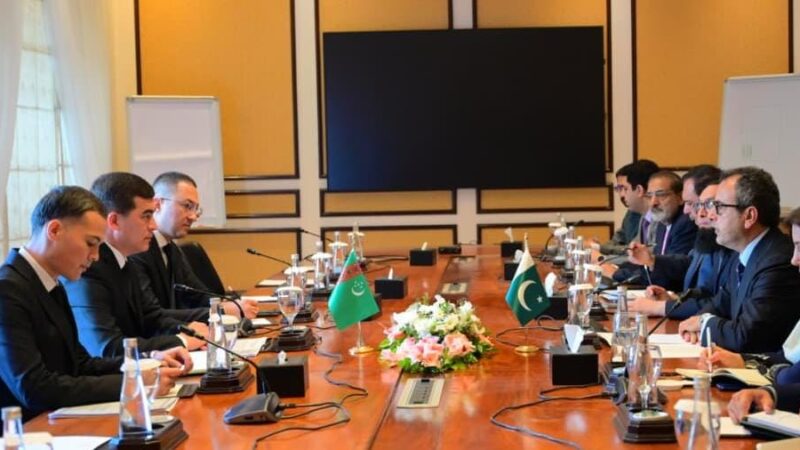
ISLAMABAD, The Economic Cooperation Organisation (ECO) has endorsed diplomatic initiatives by Pakistan, Qatar and Iran aimed at achieving a lasting end to the US-Iran conflict, while commending Pakistan’s efforts to reduce regional tensions through dialogue and mediation.
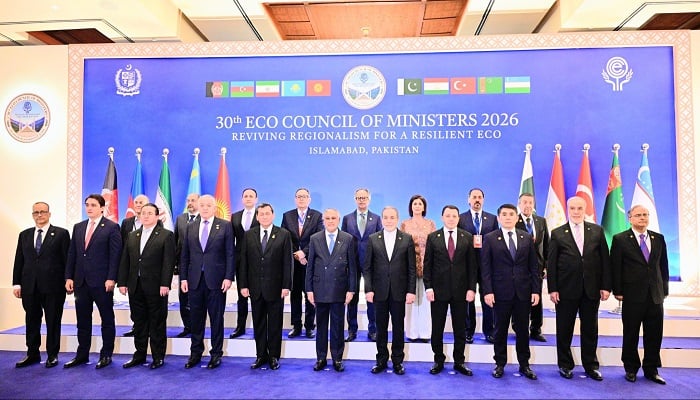
In the Islamabad Communiqué issued at the conclusion of the 30th meeting of the ECO Council of Ministers, member states expressed support for mediation efforts by Pakistan and Qatar, as well as Iran’s initiative aimed at securing a dignified resolution of the conflict and ensuring a complete and permanent end to the ongoing war.
The ministers appreciated Pakistan’s constructive diplomatic role during the recent Iran-US crisis, particularly its efforts through the Islamabad Peace Talks, the resulting Islamabad Memorandum of Understanding (MoU), and subsequent negotiations in Burgenstock, Switzerland.
They also recognised Iran’s contributions as a founding member of the ECO and appreciated Qatar’s role in international diplomatic mediation. The communiqué emphasised restraint, dialogue, respect for international law and mutual trust as essential elements for lasting regional peace and stability.
The member states opposed unilateral coercive measures, sanctions and economic pressures, stating that their extraterritorial effects on trade, finance and technology were inconsistent with the principles of the United Nations Charter and international law.
The meeting also welcomed the adoption of the Strategic Goals of Economic Cooperation 2035, aimed at strengthening regional integration, connectivity, resilience and sustainable development. Member states called for accelerated implementation of the ECO Trade Agreement (ECOTA), establishment of joint trade zones, stronger cross-border business cooperation and improved customs procedures.
The communiqué further stressed the need to strengthen regional transport corridors, facilitate access to international seaports for landlocked countries, reduce transportation costs and remove barriers to the movement of goods.
Cooperation in energy security, clean energy, agriculture, industrial development and artificial intelligence was also highlighted. The ministers welcomed the operationalisation of the ECO Clean Energy Centre in Baku and called for joint research, training and technological development.
On Gaza, the member states expressed concern over the deteriorating humanitarian situation following flooding in Deir al-Balah and surrounding areas on November 6. They called for urgent delivery of food, medicines, fuel, tents, heating equipment and winter clothing, alongside an immediate end to forced displacement and the deliberate deprivation of food. They also demanded full implementation of the October 2025 Gaza ceasefire agreement.
Pakistan assumed the ECO chairmanship for 2026-27 under the theme “Reviving Regionalism for a Resilient ECO.”
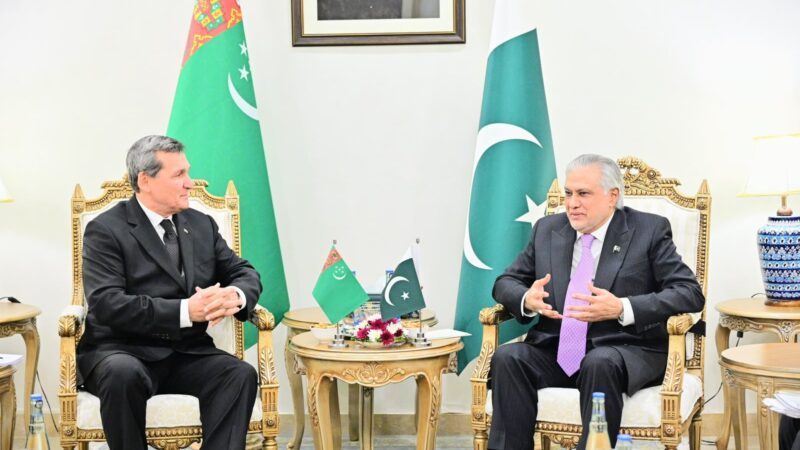
Meanwhile, Deputy Prime Minister and Foreign Minister Ishaq Dar announced that Islamabad would host a high-level meeting of the Makkah defence agreement’s apex security committee later this month.
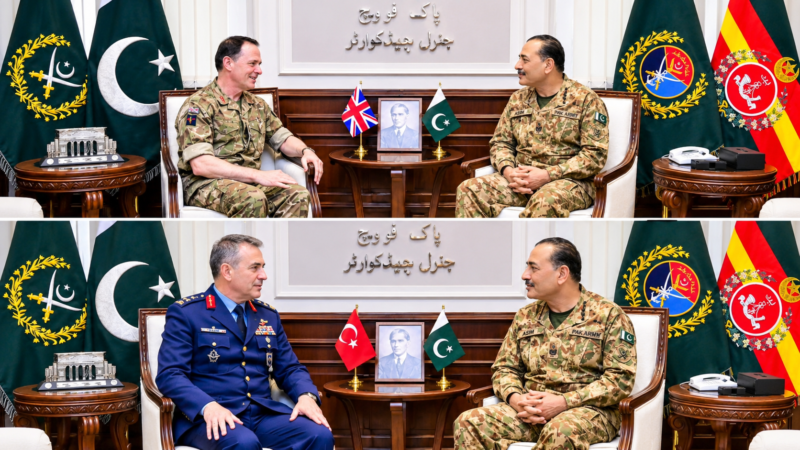
The meeting will bring together representatives of Pakistan, Saudi Arabia and Turkiye, the three signatories to the defence agreement signed in Makkah on August 7.
Dar said the trilateral agreement was based on the principles of individual and collective self-defence and did not violate the UN Charter. Referring to Article 51, he said the agreement recognised the right of countries to defend themselves individually and collectively against armed attacks.
Under the pact, an armed attack against any one of the three countries would be treated as an attack against all, with the other members committed to providing mutual assistance in response to external aggression.
Dar clarified that the agreement was intended to strengthen defence cooperation and collective security rather than indicate any intention to confront other countries. He stressed that the region needed its own security architecture to address emerging challenges and maintain peace and stability.
He said the institutional framework for implementing the agreement was being developed following its inaugural meeting in Istanbul on August 31. A working committee would also be established, comprising one Foreign Office representative, three secretaries and one military representative, to oversee implementation.
The agreement provides for cooperation in defence production, intelligence sharing, logistical support, counterterrorism, joint military training, research and advanced technologies. It also requires signatories to use all necessary means to address threats to one another’s territorial integrity, sovereignty and internationally recognised borders.
The nature and extent of assistance would be determined through an objective assessment of requirements, with each country contributing according to its available resources and military capabilities.
The agreement carries a minimum ten-year commitment during which none of the three signatories can withdraw. After that period, a country seeking withdrawal must provide at least three months’ written notice through diplomatic channels.
It also includes provisions on the protection of classified information, amendments requiring unanimous approval and continued confidentiality obligations.
The three countries have also agreed to strengthen military coordination and ensure the rapid deployment of military forces and capabilities in Saudi Arabia amid regional security threats.
Turkiye has condemned attacks on Saudi Arabia, offered support for its military technology requirements and agreed to join a Saudi-led coalition aimed at safeguarding navigation in the Red Sea. However, Turkiye’s formal approval of the defence agreement remains subject to parliamentary ratification.
The two developments underscore growing diplomatic and security cooperation among regional countries, alongside renewed efforts to promote economic integration and regional stability.
