


By Naimal Khawaja
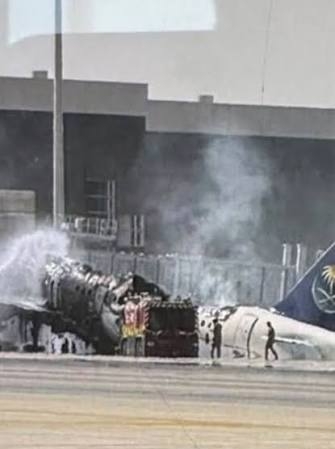
The recent privatization of Pakistan International Airlines (PIA) is not a national tragedy but a long overdue reality check. After more than two decades of paralysis, Pakistan has finally taken a significant step towards reforming a structurally broken entity. The sale of 75% of PIA to a consortium led by Arif Habib for Rs135 billion marks the end of an unhealthy arrangement where ordinary Pakistanis subsidized an airline that consistently failed to turn a profit.
The root cause of the problem was the system’s perpetuated inefficiency. Since 2012, PIA has accumulated losses exceeding $7 billion, with total debt ballooning to approximately Rs742 billion by 2024. Overstaffing, political interference, and poor management were just a few of the issues that contributed to these losses. The much-publicized profit in 2024 was largely due to government debt absorption rather than a genuine turnaround.
The privatization deal is a reset for PIA, bringing in fresh capital, professional management, and a chance to grow its fleet from 14 to 38 aircraft. Jobs are protected in the initial phase, and Pakistan’s experience with privatized banks suggests that this move will lead to increased efficiency and competitiveness.
Critics argue that PIA was sold too cheaply, but this ignores the airline’s aged fleet, high maintenance costs, and significant debt. The valuation of Rs180 billion is grounded in reality, considering the airline’s financial situation. This deal is not just a sale; it’s a chance for PIA to become a viable, efficient airline.
The significance of this privatization extends beyond PIA. It marks a shift towards treating state-owned enterprises as economic entities rather than emotional symbols. This change brings discipline, accountability, and consequences, offering PIA a chance to once again become a source of national pride.
